
The Hidden Dangers of Lead-Based Paint for Children in Baltimore
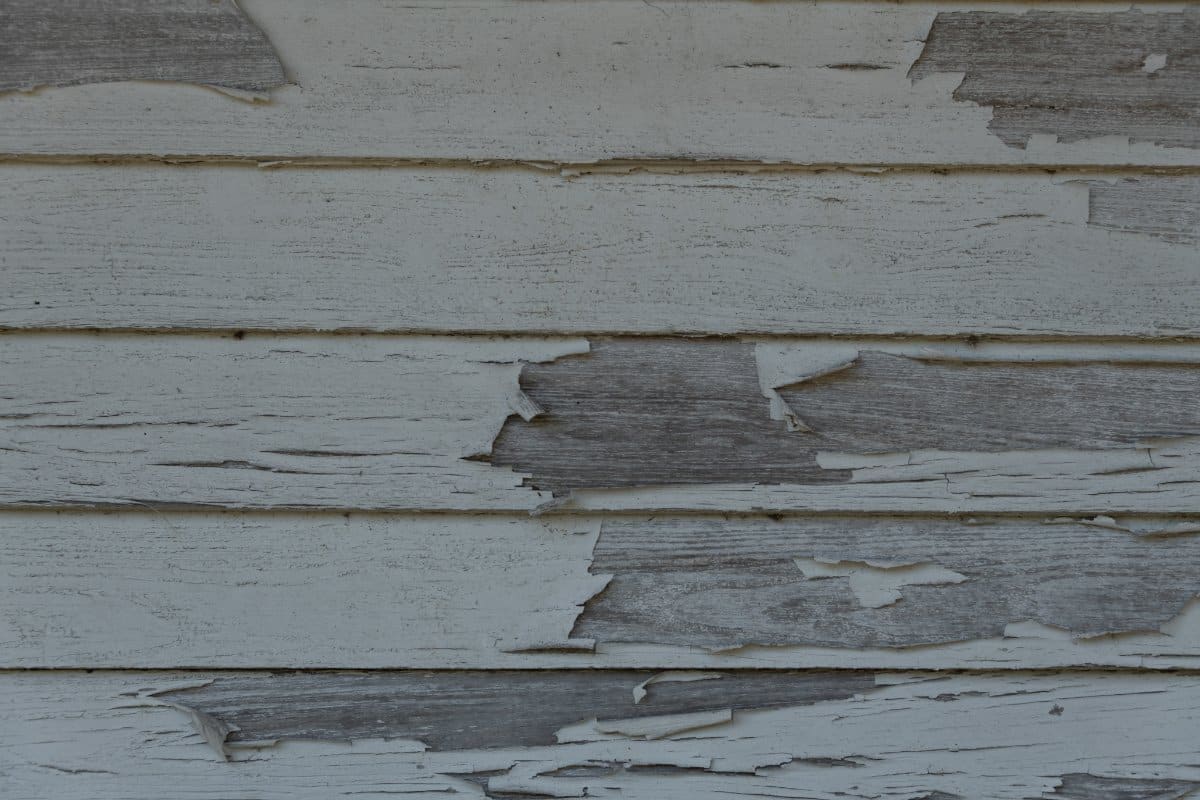 Lead is poisonous, and exposure remains a serious health risk to children, especially those under age six. Lead paint was banned for residential use as of 1978, but in older cities, like Baltimore, many houses were built before this safety regulation was enforced. This means that children in thousands of properties can be exposed to lead on a daily basis. While the danger isn’t always obvious – fresh paint often layers on top of lead paint – exposure can still occur and go undetected without immediate symptoms.
It’s important to understand the risks associated with lead exposure and what legal options you may have if your child suffers symptoms as a result. Contact Plaxen Adler Muncy, P.A. to learn more.
Why lead paint is still a problem in Baltimore
According to the Maryland Department of the Environment, “ninety-five percent of the housing units built in Maryland before 1978 contain lead paint.” Although current laws are in place to reduce exposure, an estimated 85,000 occupied homes in Baltimore alone contain “dangerous lead hazards.”
CBS news recently reported that lead paint is even falling off of three Baltimore-area bridges and overpasses, contaminating waterways. The Maryland Department of the Environment is working with the City of Baltimore and the Maryland State Highway Administration to identify “bridges and surrounding areas with peeling lead paint and chips.” They’re “taking action to prevent more chips from falling, and collecting fallen paint chips that can be a health hazard if ingested and can potentially pollute waterways.” Even brief exposure to lead can be harmful to everyone, but especially for kids.
How exposure to lead affects children
Lead is toxic. Exposure occurs when a child comes into contact with it by touching, swallowing, or breathing it in. According to the CDC, even very low levels of lead can be harmful, leading to:
- Damage to children’s brains and developing nervous systems
- Slower growth and development
- Learning disabilities and behavioral problems
- Hearing and speech problems
The harmful effects of lead are particularly dangerous to those under the age of 6, as their bodies are still growing and developing. Younger children are also more likely to be exposed because they tend to put more objects in their mouths.
Common sources of lead exposure in Baltimore homes
People are most commonly exposed to lead through dust, paint chips, or soil. Children can breathe in dust or be exposed to chips from the deterioration of lead-based paint in homes built before 1978. Typically, exposure is a result of the paint cracking, peeling, or being disturbed by sanding and scraping during home remodeling projects.
Lead can also be found in soil near older buildings or busy roads. Sometimes, lead is found in drinking water, in popular products, like toys and collectible items, and even in certain foods, most commonly in candies and certain spices.
Maryland law protecting children from lead exposure
There is no safe level of lead. In Maryland, all children born on or after January 1, 2015, are considered ‘at risk’ for lead exposure. The state requires universal lead testing for young children, regardless of risk level. The Code of Maryland Regulations (COMAR) 10.11.04 requires that all Maryland children be tested for lead poisoning at ages 12 and 24 months. All test results from Baltimore children are reported to the Baltimore City Health Commissioner.
Additionally, Maryland has strict regulations to address the risks associated with lead-based paint, particularly in rental housing. Owners of affected older properties are required to:
- Register pre-1978 rental properties and renew every two years with the state under an owner-specific MDE Tracking Number
- Ensure the property meets Maryland’s lead risk-reduction standards, including completing required inspections and obtaining a valid lead inspection certificate—typically at each change of occupancy
- Fix chipping or peeling paint and address conditions that can create lead hazards, using certified contractors and lead-safe work practices
- Provide tenants with required lead-related disclosures and educational materials, including lead inspection certificates, the Maryland Notice of Tenant’s Rights, and the federal lead safety pamphlet
Signs your child may have been exposed to lead
Possibly, one of the most worrying aspects of lead exposure is that symptoms don’t appear right away. By the time you realize your child was exposed, the damage has already been done.
Possible warning signs may include:
- Irritability or mood changes
- Loss of appetite
- Fatigue
- Developmental delays
- Difficulty concentrating
If you think your child may have been exposed to lead, contact your doctor and request a lead test. Alternatively, if you don’t have a pediatrician, you can call the Baltimore Health Care Access hotline at 410-649-0500. Then, remove the source of the exposure, if possible. If you can’t identify the source, you can request a property inspection to determine whether lead hazards are present. Document all conditions via photos, videos, and notes.
When is legal action an option after lead exposure?
In some cases, lead exposure is preventable. When individuals or entities ignore known hazards or fail to comply with Maryland law, they may be held liable for the resulting harm. When a child suffers from lead poisoning, a family can pursue compensation to cover the costs of medical expenses, educational support, and pain and suffering. Contact an experienced Baltimore attorney to get your claim started.
Contact Plaxen Adler Muncy, P.A. today
Lead-based paint is a serious public health issue in Baltimore. If you are concerned about lead exposure in your home or believe your child may have been harmed outside of your home, contact Plaxen Adler Muncy, P.A. today. We can help you understand your rights and next steps. We’re ready to help you.

Bruce Plaxen was honored as the 2009 Maryland Trial Lawyer of the Year by the Maryland Association for Justice, and assists victims of personal injury, car accidents and medical malpractice throughout the state. For more information on his legal background, please visit his attorney bio.